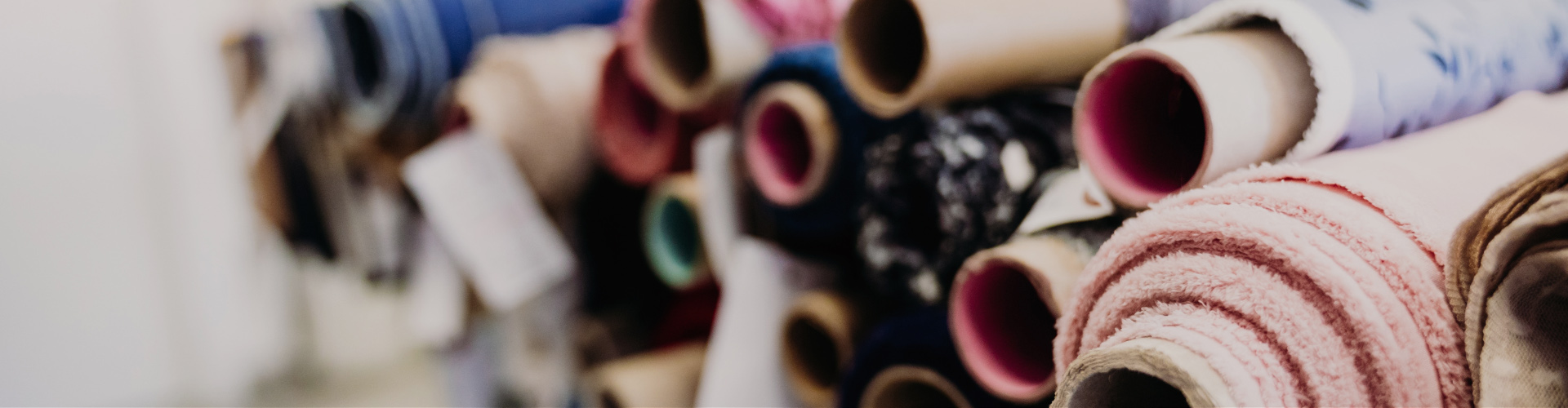
Wholesale Custom Mulberry Silk Fabric Manufacturer
- Thickness: 5-40 momme
- Width: 94/114/140/280cm
- Style: undyed white, plain colors, custom digital print on silk fabric
- Free samples available

Silk Fabric Supplier in China
Considering the use of silk fabric in your next project is a highly wise choice. Silk fabric is made from natural fiber. It is most popular due to its shine and luster. The silk fabric is also the epitome of luxury. It can provide an elegant appearance and soft texture. With its superior properties, silk fabric is widely used in the fashion industry.
Sinosilk offers custom premium silk fabric service, available by meter or yard. Our fabric made from mulberry silk is highly coveted in the silk fabric market due to its exceptional quality. These fabrics can show their characteristics well no matter if they are made into any silk products.
We are a professional silk fabric manufacturer in China that offers a full range of colors, thicknesses, and types. These silk fabrics are guaranteed to meet the highest standards, graded as 6A mulberry silk. You can request our free fabric sample pack to verify the quality.
Our silk fabrics are offered in wholesale and bulk quantities for your business. Rest assured that we provide the lowest prices, fast delivery, and low MOQ. Send us your inquiries today!
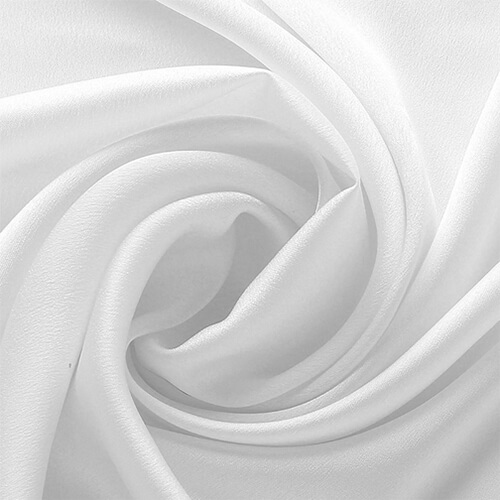
Silk Crepe De Chine(有标记内容)
114/140cm Width
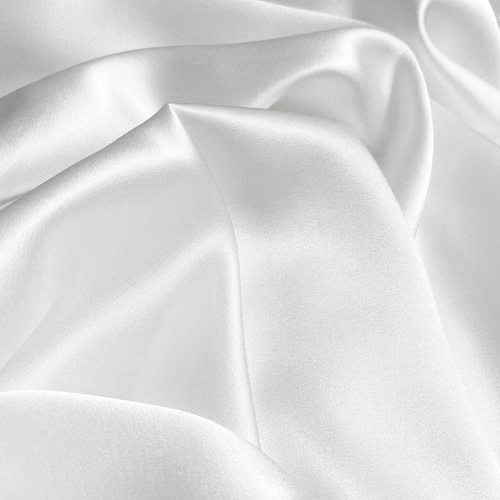
Silk Stretch
108/140cm Width
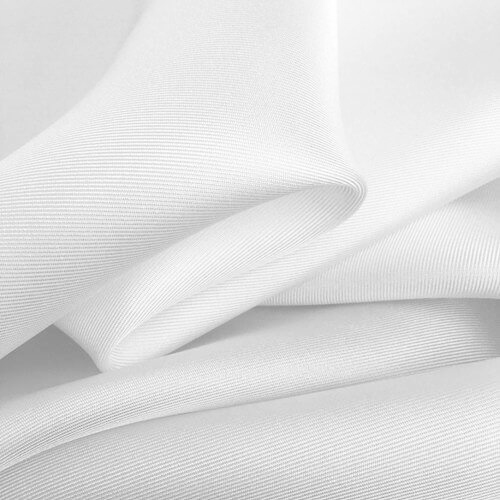
Silk Twill
94/114/140cm Width
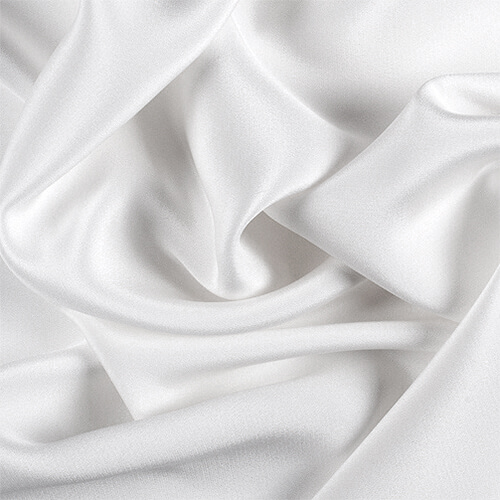
Silk Satin
94/114/140/250/280cm Width
Custom Your Silk Fabric On Demand
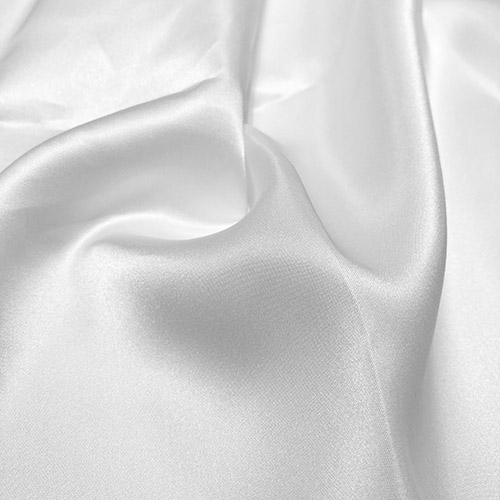
Undyed Silk Fabric
Unadorned silk fabric highlights its natural beauty, resembling an undiscovered treasure that can be transformed according to your creativity.
Feature: Natural luster; rustic texture; slightly stiff
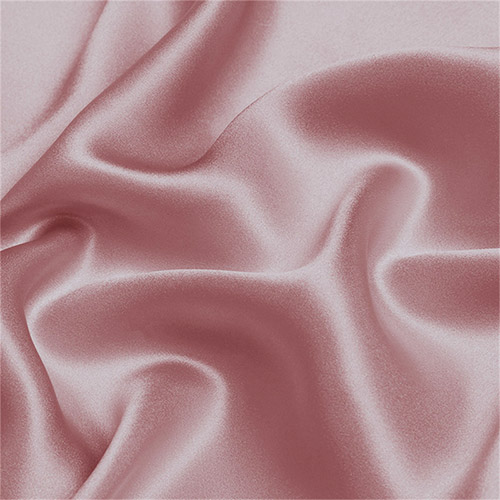
Plain-dyed Silk Fabric
Vibrant colors exude captivating charm. Popular options include black, white, blue, red, and gold silk fabric.
Features: Even coloration; soft and smooth; artistic
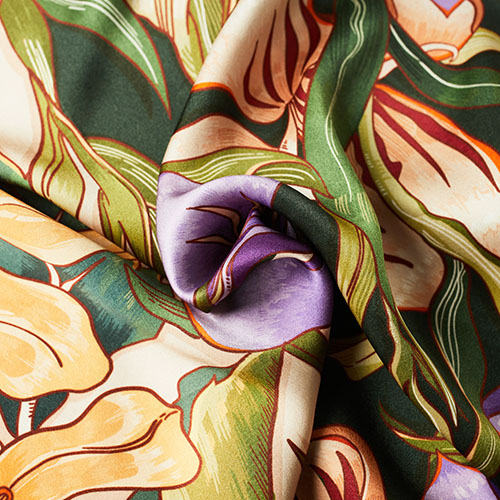
Printed Silk Fabric
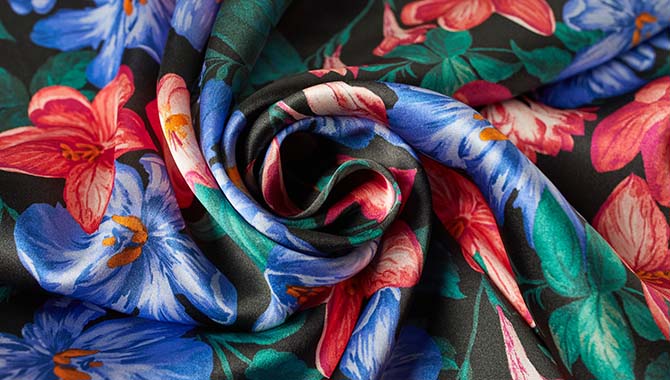
Customize your silk fabric with unique designs. High-resolution printing brings your loved patterns to life.
Features: Clear details; rich colors; visually appealing
Printed Silk Fabric
Customize your silk fabric with unique designs. High-resolution printing brings your loved patterns to life.
Features: Clear details; rich colors; visually appealing
Benefits of Custom Silk Fabric

Flexible Customization Option
We offer a wide range of customization choices, allowing you to customize patterned silk fabric with your logo, brand colors, specific designs, symbolic elements, and more, enhancing brand recognition.

Cost Efficiency
With all our production carried out in-house, we can provide bulk discounts and save on production time.

Consistent Product Quality
Through the bulk customization process, we have better control over production, ensuring the specifications and quality of all silk fabrics.

Fast Turnaround Commitment
We have dedicated production lines specifically prepared for large-scale orders, minimizing delays to the greatest extent possible. Additionally, transportation for bulk orders is more cost-effective.
Key Benefits of Silk Fabric
Soft texture. The texture of silk fabric is very soft while maintaining a sheen, providing a luxurious appearance.
Breathability. Rest assured that our silk fabric has excellent breathability, making it an ideal choice for fashion clothing and household products.
Absorbent. With its high absorbency, our silk fabrics can absorb moisture, especially in clothing, making it ideal for hot summer season clothes.
Hypoallergenic. Silk is a long, uninterrupted fiber formed from the solidification of silk liquid secreted by silkworms during the cocooning process. Therefore, the products made from silk fabric are suitable for all of your customers.
UV-resistant. Silk protein fibers contain tryptophan, which can absorb ultraviolet (UV) rays. By harnessing this characteristic of silk fabric, you can explore new possibilities for your projects.
Comfortable. The smooth surface of silk fabric offers a comfortable and skin-friendly experience. Utilizing it for intimate wear or bedding can ensure a comfortable experience.
Durability. These fabrics are manufactured using natural fibers that can be blended with other fibers including wool, cotton, and more for added strength.
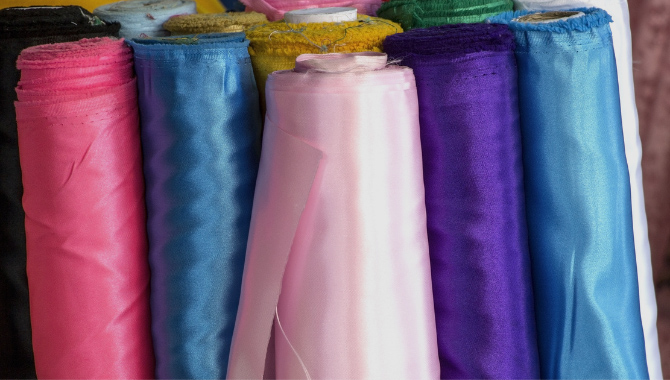

Why Choose the Silk Fabric of Sinosilk?
Sinosilk offers a one-stop online custom silk fabric service, providing you with the utmost convenience.
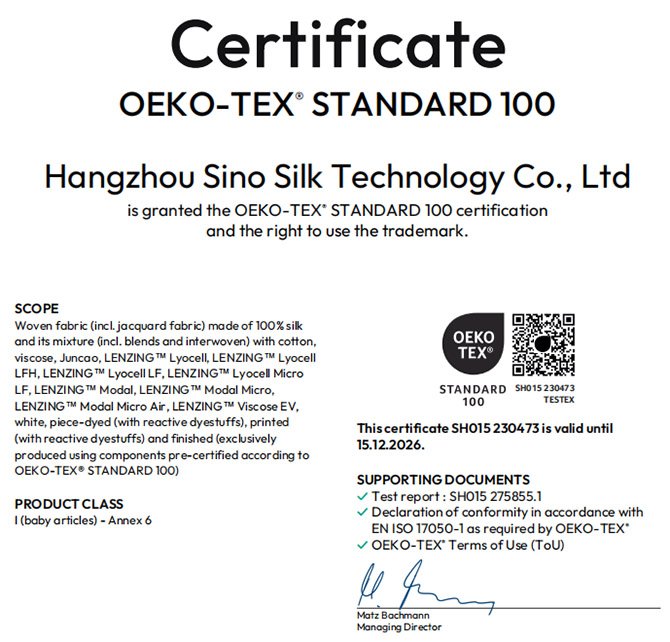
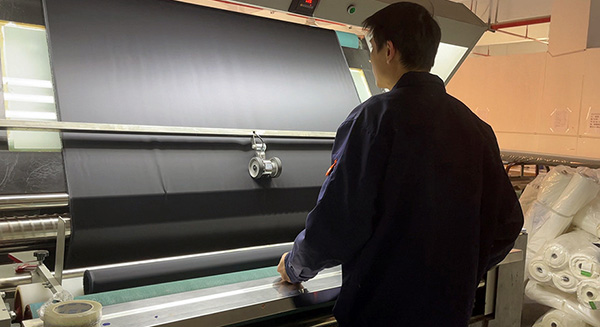
Our silk fabrics are all made with high-quality silk, with strict quality inspection procedures to ensure that all products meet the most stringent quality requirements. They are also certified with OEKO-TEX Standard 100.
We provide a wider array of choices, including silk fabrics with diverse textures, undyed silk fabric, plain-dyed silk fabric, and custom-printed silk fabric featuring your unique designs.
Prior to placing an order, you can confirm the final outcome through our free fabric sample or proofing.
Throughout the customization process, we have staff with silk fabric expertise to answer your questions and provide you with professional advice.
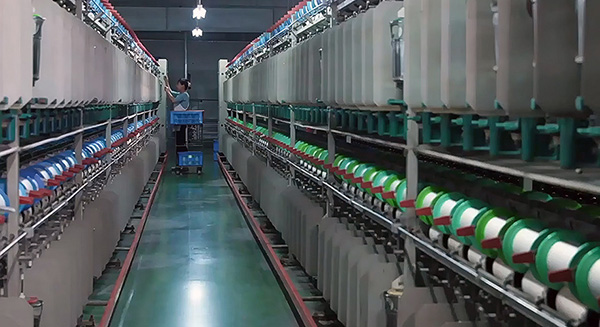
After 10 years of business, we specialize in silk fabrics and related silk products. Our silk fabrics and products are recognized and trusted by our valued customers from all over the world.
For more information about custom silk fabrics, send us an inquiry now!
Different Silk Fabric Applications
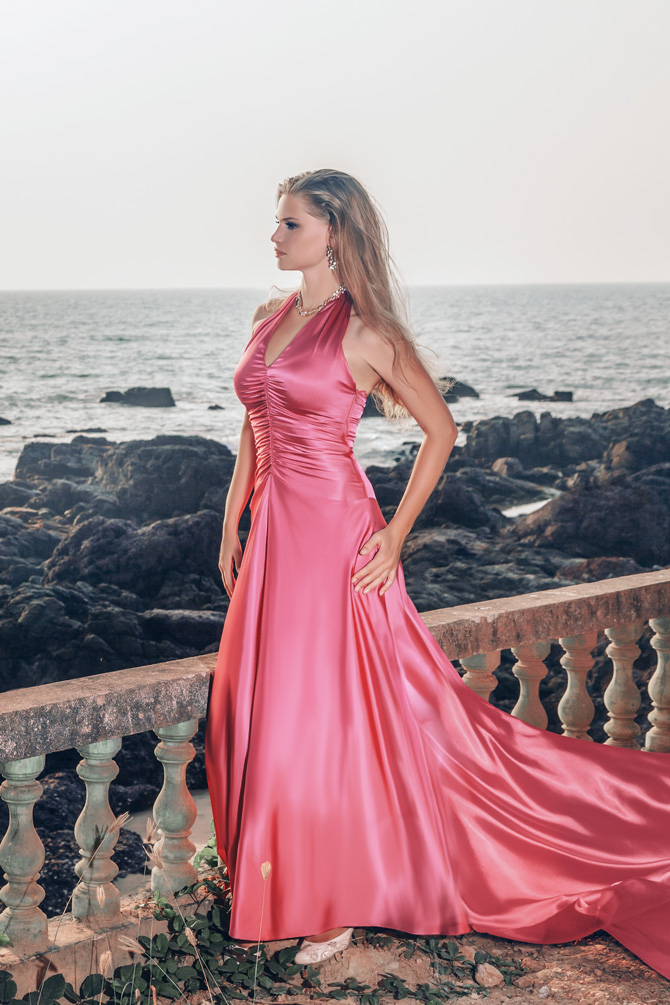
Evening gown
When it comes to evening gowns, most people envision elegance and high fashion. Choosing the right fabric is crucial for achieving this look. Silk fabrics are the perfect choice, given their luxurious and sophisticated appeal. It’s no surprise that an increasing number of people are opting for silk fabric when making evening gowns.
Dress
Whether it’s the smooth and shiny silk satin, the light and airy silk georgette, or silk crepe de chine with its own character, it is perfect for dresses.
Pajama
Silk fabric is made up of protein fibers with a low coefficient of friction (only 7.4% compared to other fabrics), creating a soft and delicate feel against the skin when wearing silk pajamas. Silk pajamas made from thinner fabrics are perfect for summer, as they are lightweight and breathable, while thicker fabrics are ideal for autumn and winter, providing both warmth and beauty.
Scarf
The silk fabric is smooth and soft, making the scarf not only as a fashion accessory, but also for warmth. The custom printed fabric makes the scarf more fashionable.
Tie
A tie is a symbol of a man’s taste in life, and silk ties are undoubtedly the high end of ties. As a formal wear accessory for men, ties come in various colors and patterns that can be matched to showcase one’s unique personality and style.
Underwear
Silk fabric is highly breathable and moisture-absorbent, making it an excellent choice for undergarments worn close to the body. Its soft and comfortable texture, combined with a great fit, make it particularly suitable for hot summer months.
The features of silk fabrics are very beneficial to the skin and hair, and can also be very good for improving one’s sleep.
-
Can you customize specific colors and prints for silk fabrics?
Yes, we can customize any color and print according to your requirements. You can provide your own design, Pantone color, or send us color samples.
-
Can I request samples of different silk fabric options before placing the bulk order?
Yes, we encourage you to request our silk fabric samples to evaluate texture, quality and thickness before making a purchase decision. Please contact our customer service team to request samples.
-
Is white silk see-through? How many momme of silk provide full coverage?
White or light-colored silk fabrics should be at least 16 momme or higher to ensure they are not see-through. If you want a slightly sheer look, below 16 momme can still work beautifully – consider adding a lining layer for coverage.
-
Is silk waterproof? Do you offer options for waterproof treating for your silk?
No, silk is not inherently waterproof. However, we can customize waterproof silk with a minimum order quantity of 300-500 meters.
-
Why does new silk fabric sometimes have a sour smell? Is it toxic?
All silk fabrics from Sinosilk are 100% non-toxic and certified safe. That slight sour smell when you first receive silk fabric is normal. It comes from glacial acetic acid used during processing. This can help set the fabric and balance the pH. The harmless scent is temporary and will naturally dissipate with proper ventilation.
-
What are the benefits of purchasing silk fabrics wholesale at Sinosilk?
Anyone in need of silk fabrics can benefit from the wholesale services of Sinosilk. Especially if you are a fashion brand, designer, retailer, etc., who wants to scale production or expand your business. Here you can:
- Save Costs: Purchase silk fabrics from Sinosilk at wholesale prices to enhance your margins.
- Get Consistent Production: From undyed silk to plain color and custom prints, we offer bulk processing with reliable quality control. This ensures your final products are always consistent, helping increase customer satisfaction.
- Build a Stable Relationship: Sinosilk isn’t just a supplier; we’re your long-term partner. You’ll gain access to expert support, new product updates, exclusive discounts, and flexible custom solutions.
- Streamline Logistics: Bulk orders mean fewer restocks and less frequent shipping, saving your time and logistics costs. You can spend more time designing and selling your products.
- Stay Competitive: With lower material costs, you can offer more attractive pricing to your customers. You can also reinvest in marketing and promotions to grow your business.
-
The production process of silk fabric
- Raising silkworms: Feeding mulberry silkworms with mulberry leaves.
- Cocooning: The mulberry silkworms start to form cocoons after four molts, and the whole process takes about 2 days.
- Boiling cocoon: After the cocoon is formed, it is placed in boiling water to cook the cocoon and prepare it for silk extraction.
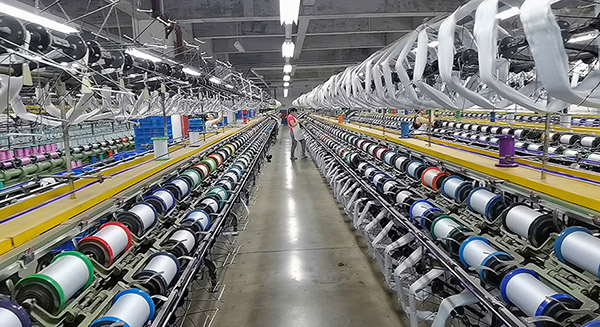
- Reeling: The silk is processed and extracted from the cocoon to become the principle of silk weaving. A cocoon can extract about 1000 meters of silk. A number of silk threads drawn in this way are combined to become raw silk.
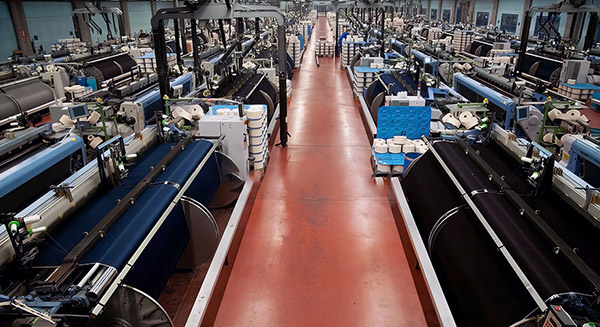
- Weaving: The raw silk is divided into warp and weft after processing, and interwoven into silk fabric according to certain organization rules.
-
Types of silk fabric processes
- Dyeing Process
There is a specialized machine known as the beam dyeing machine designed for dyeing silk fabrics. Unlike general machines, this machine is well-suited for fabrics that are prone to deformation, curling, and prone to issues caused by insufficient warp and weft density, such as silk satin, silk georgette, silk chiffon, silk habotai, silk crepe de chine, and more.
During the dyeing process, the fabrics are rolled up using porous rollers and then loaded into a pressure cooker. Professional chemical pumps are utilized for dyeing, employing a systematic cycle process where the dyeing liquid undergoes two-sided interactive transformations. This meticulous process ensures complete penetration of the rolled fabrics, resulting in optimal dyeing outcomes.
- Pre-shrinking Process
Pre-shrinking, also known as mechanical pre-shrinkage finishing, involves the use of physical methods to reduce fabric shrinkage after immersion in water. This process primarily targets controlling the warp (length) shrinkage of the fabric. Typically, silk fabrics experience a shrinkage rate ranging from 5% to 15% before pre-shrinkage. While the standard shrinkage rate of fabrics after pre-shrinking treatment is around 1%.
Silk Satin, silk habotai, silk chiffon, silk organza, and silk stretch satin exhibit a shrinkage rate of approximately 5%, with minimal observable shrinkage. In contrast, silk crepe de chine, silk georgette, and similar fabrics have a shrinkage rate of over 10%. These fabrics require a pre-shrinking process before cutting to prevent shrinkage after they are made into finished products.
- Washing Process
The washing process involves washing fabrics in water with softeners or detergents to make them soft and textured. Depending on the length of the wash and the amount of softener used, it is generally categorized as light garment wash, garment wash, and heavy garment wash. After washing, the luster of the fabric becomes duller and looks darker, while giving the illusion of increased thickness.
- Sand Washing Process
The sand-washing process is similar to the washing process, but it involves adding alkaline or oxidizing additives to the water, along with an appropriate amount of softener, to enhance the fabric’s texture. Sand-washed fabric acquires a faded effect, making it suitable for vintage-style designs.
The inclusion of alkaline additives disrupts the fabric’s surface structure, resulting in a softer feel and the appearance of surface fluff, which creates the illusion of thickness. However, it is not recommended to use the sand-washing process on thin fabrics, as it may cause the fabric to easily tear.
- Soft Finishing
After undergoing a soft treatment, silk fabrics become even softer, smoother, and more skin-friendly. There are generally two methods used to achieve this: chemical treatment and physical treatment.
In chemical treatment, a softener is added during the post-dyeing process of silk fabrics. This addition modifies the dynamic and static friction coefficients on the surface of silk fibers, enhancing their softness. However, excessive use of softeners can lead to fabric damage.
Physical treatment involves utilizing airflow to process silk fabrics, preventing wrinkles and friction caused by mechanical force, and ensuring the fabric remains in optimal condition.
- Anti-static Finishing
Silk fabrics can generate static, although to a lesser extent compared to synthetic fiber fabrics. Static is detrimental to the human body, as prolonged exposure to static radiation can induce feelings of anxiety and may lead to symptoms such as headaches, chest tightness, and breathing difficulties.
To address this issue, adding an antistatic agent during the processing of silk fabrics proves effective in mitigating the generation of static and safeguarding people’s daily lives.
- Anti-split Process
Splitting is a prevalent issue that often arises when working with silk. It adversely affects the cutting, sewing, and overall durability of silk fabrics. However, employing an anti-splitting process during treatment can offer a robust solution to this problem.
This process enhances the yarn’s anti-slip properties, improves sewing strength, significantly enhances the sewability of silk fabrics, and minimizes the occurrence of needle holes during the sewing process.
-
What are the advantages of using silk fabric?
Silk fabric is known for its luxurious feel, natural sheen, and exceptional durability. It is hypoallergenic, moisture-wicking, and temperature-regulating, making it a premium choice for many types of clothing, accessories, and home textiles.
-
Which silk fabric is best for pillowcases?
Sinosilk’s mulberry silk satin is the best choice. For a soft, breathable feel, we recommend 19/22/25/30 momme.
-
Which silk fabrics are suitable for fall?
There are two aspects that you should consider: type and momme.
Silk fabrics with a beautiful drape, a heavier hand-feel, and less ventilation are ideal for cooler weather. Examples include: silk satin, silk crepe de chine, silk double georgette, silk jianhong crepe, silk taffeta, stretch silk satin, stretch silk double georgette, stretch silk crepe de chine, and silk wool.
In terms of momme (mm) weight, you can choose over 16mm for fall.
Sinosilk’s popular fall choices include:
- 19 / 22 momme silk satin
- 18 / 22 momme silk crepe de chine
- 22 momme stretch silk satin
- 19 / 22 momme stretch silk double georgette
- 22 momme stretch silk crepe de chine
- 25 / 30 momme silk heavy crepe / heavy satin
-
Does silk shrink?
Yes. The natural fibers and structure of silk fabric can cause shrinkage. Typically, silk shrinkage ranges from 3%-12%, depending on the type of fabric. For example. silk georgette and silk crepe de chine tend to shrink more than silk satin.
Our stocked silk fabrics have a shrinkage of 5%-12%. Whether you are ordering custom designs or wholesale stock, we recommend ordering additional fabric to accommodate your production needs. Or you can choose our pre-shrinking service. All silk fabrics (including silk georgette) can be reduced to 3%-5% after pre-shrinking.
-
How to wash silk?
Pre-washing your silk fabric before cutting and sewing can ensure optimal results.
Use a pH-neutral detergent mixed with cold water. Dip and gently hand wash the silk without twisting or wringing. Lay flat to dry away from direct sunlight. For more delicate silk fabrics, dry cleaning is the safest option. Treat stains as soon as possible can protect your silk.
Below is a quick silk care summary. It is perfect for adding to product tags or packaging to help guide your customers.
Silk Care Tips:
- Hand wash in cold water with silk-safe detergent.
- Gently press water out with a towel rather than wringing.
- Lay flat to dry away from sunlight.
- Low-heat iron on the reverse side.
- Avoid bleach, harsh chemicals, and tumble drying.
-
How to iron silk?
Always use the low heat or silk setting on your iron. Before ironing, turn the silk fabric inside out. Place a clean pressing cloth on top to protect it. Silk responds best to ironing while slightly damp.
Gently press the iron onto wrinkled areas, then lift and move. Do not slide back and forth or linger in one spot too long. After ironing, lay the silk flat to cool and set the shape.
Want more expert tips? Check Sinosilk’s silk ironing guide.
-
What is the difference between silk and satin?
The direct difference is the definition. Silk is a material, while satin is a weave or texture. Here’s a closer look at how they differ:
- Composition: Silk is a natural protein fiber. Satin is a weaving method that can be made from silk or any other fiber. Silk satin is a common option for high-end silk products.
- Feel & Appearance: Silk is lightweight, smooth, and soft. It carries a natural sheen on both sides (also depends on the weave). Satin has a glossy front and a dull back. Synthetic satin may feel slightly stiff.
- Breathability & Comfort: Silk is breathable and gentle on the skin. It is ideal for sensitive users. Synthetic satin tends to trap heat and can be less comfortable.
- Cost: Silk is a premium investment with a higher price point. Synthetic satin is budget-friendly and widely accessible.
- Durability & Care: With proper care, silk can last for decades. Satin, especially synthetic, may lose its shine over time. But it is easier to maintain.
A deeper understanding of silk vs. satin will help you make better choices when sourcing, designing, or developing your next product.
-
What is the difference between 100% silk and mulberry silk?
100% silk means the fabric is made entirely of natural silk fibers, with no blends.
Mulberry silk is a silk produced by Bombyx mori silkworms. Other types of silk include tussah silk, muga silk, and more. Mulberry silk features long, smooth, uniform fibers. It is considered the finest quality silk.
All our silk fabrics are 6A-grade mulberry silk, trusted and chosen by designers and brands worldwide.