
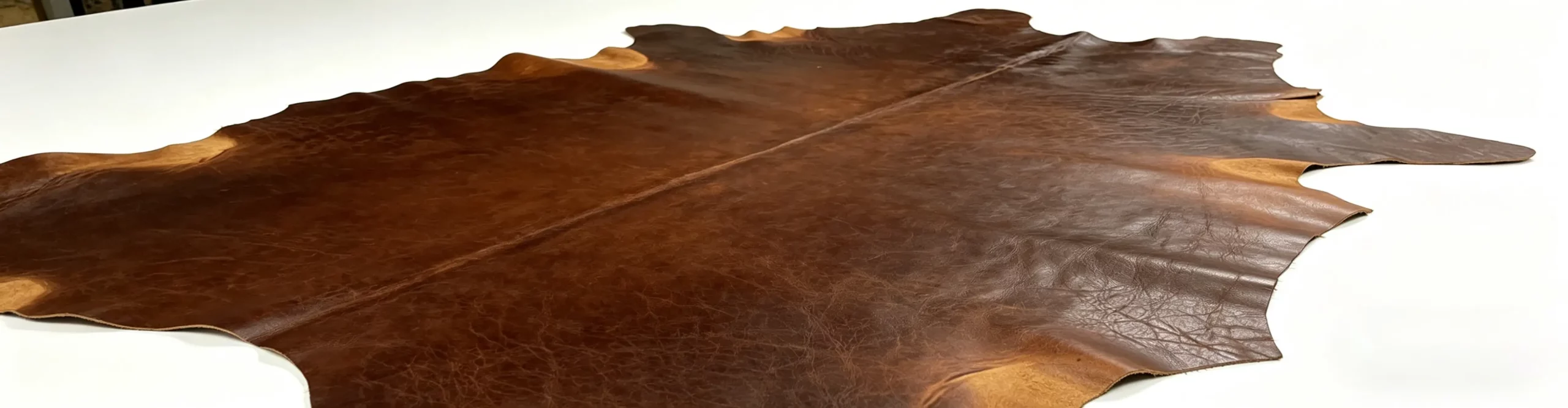
Full-Grain Leather: Nature’s Honest Spirit
About Full Grain Leather
In the world of leather products, Full Grain Leather represents the highest level of material quality.
It is different from the leather that has been artificially sanded or embossed. Instead, it retains the outermost, most resilient natural surface of the cowhide intact.
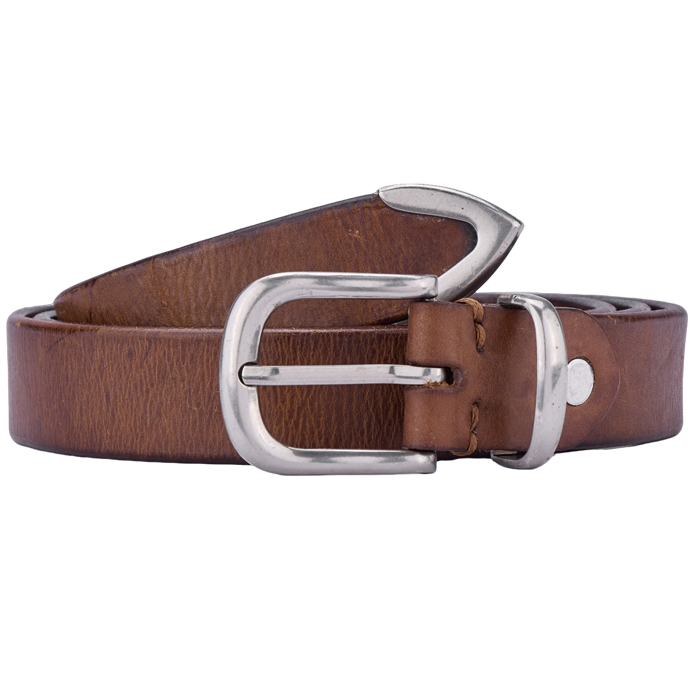
Leather Men Belt
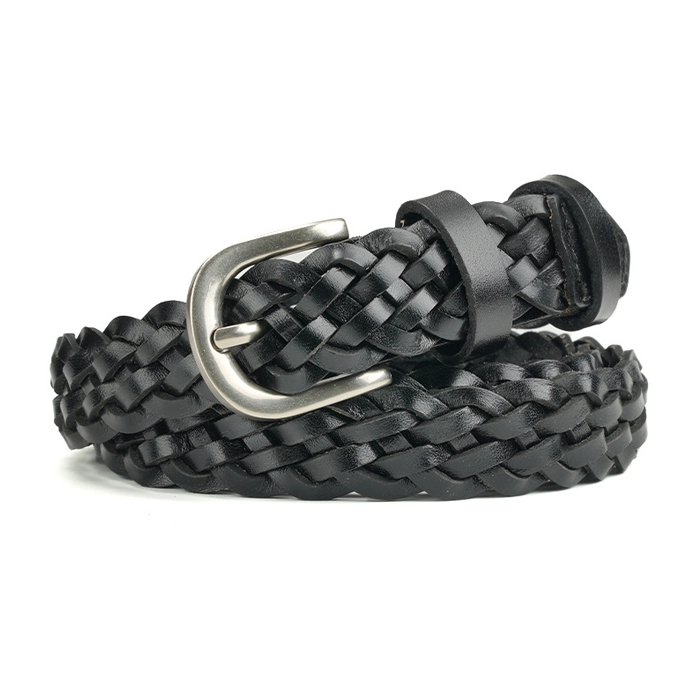
Genuine Leather Knitted Belt
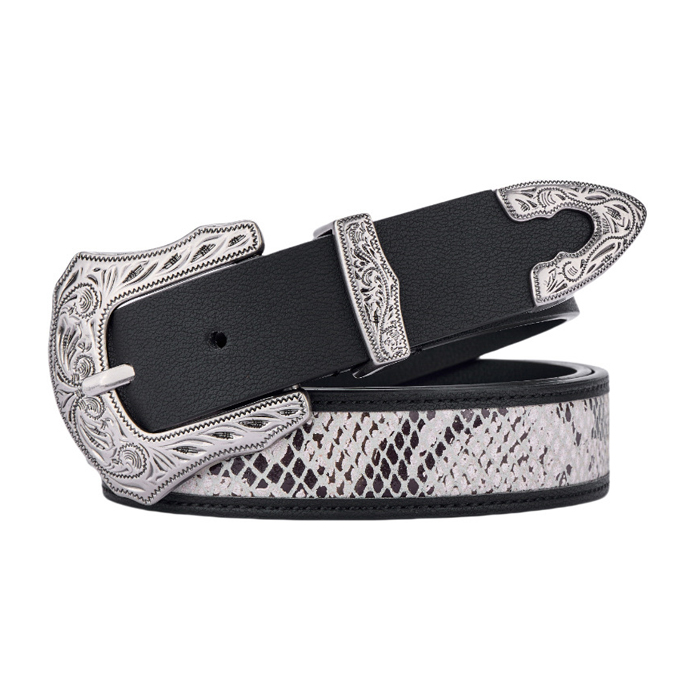
Snake Leather Belt
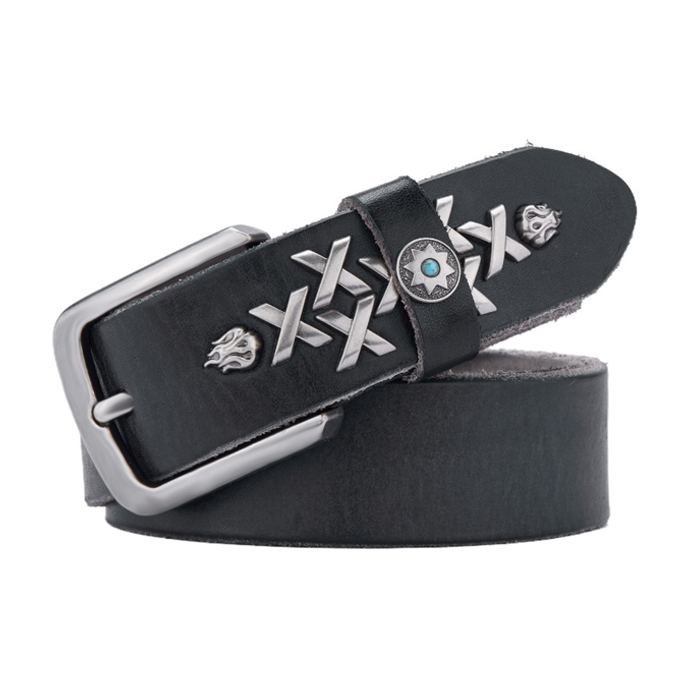
Genuine Studded Belt
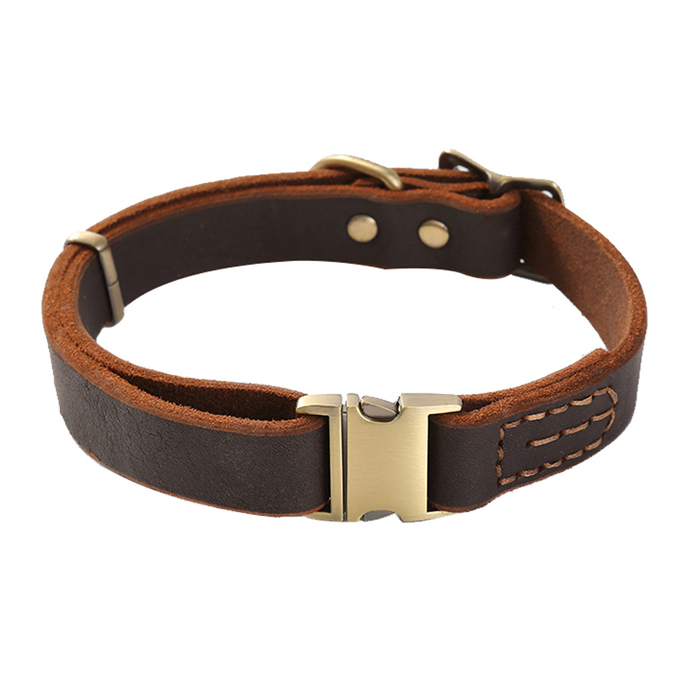
Collar 4
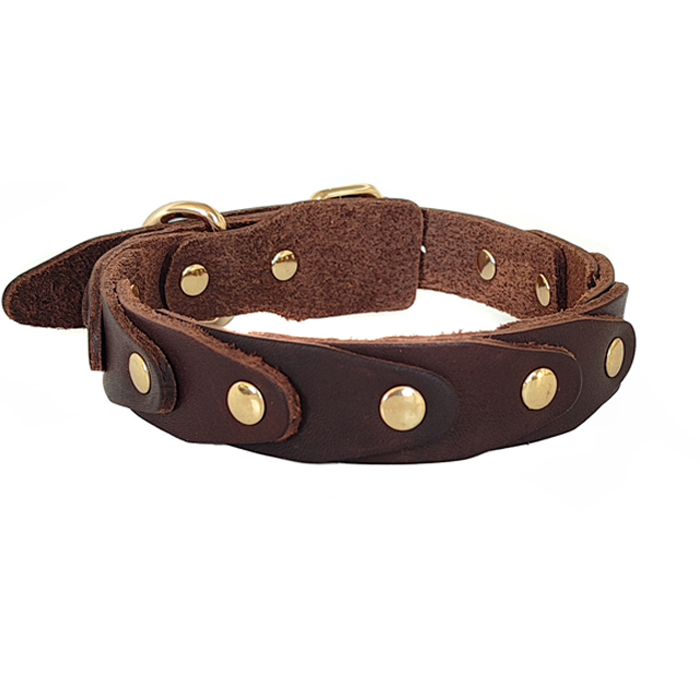
Collar 3
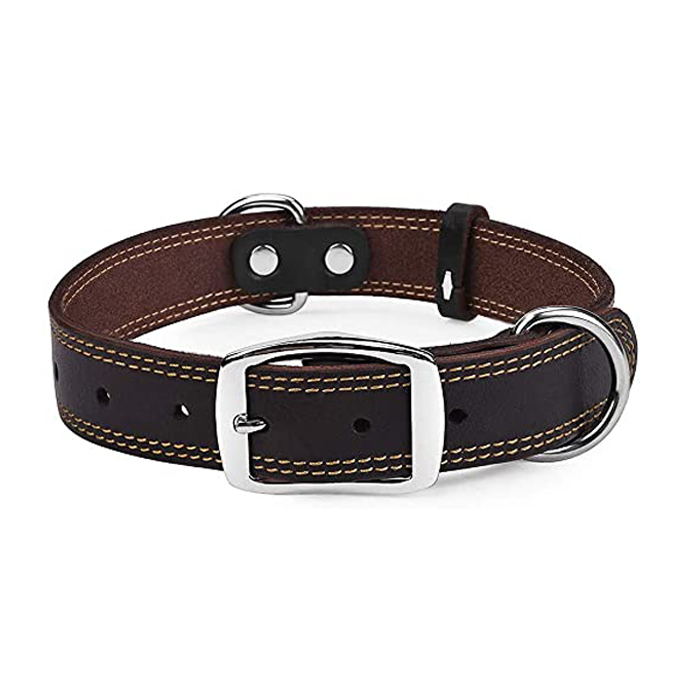
Collar 2
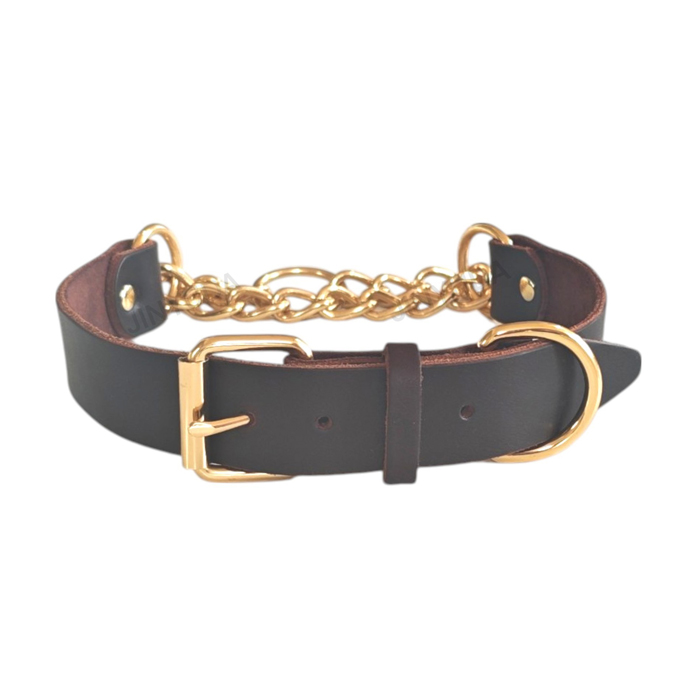
Collar 1
1.Material Definition: The Unaltered Peak
Intact Top Layer: The full-grain leather retains the most compact fiber structure of the cowhide. It has not been sanded or smoothed, which means the natural pores, fine wrinkles, and even growth lines of the leather are all presented intact.
Maximum Density: By retaining the most resilient fibers of the cowhide surface layer, it is the strongest material among all leathers in terms of tensile strength, wear resistance and tear resistance. This is not just a belt, but also a structural component that can withstand use for several decades.
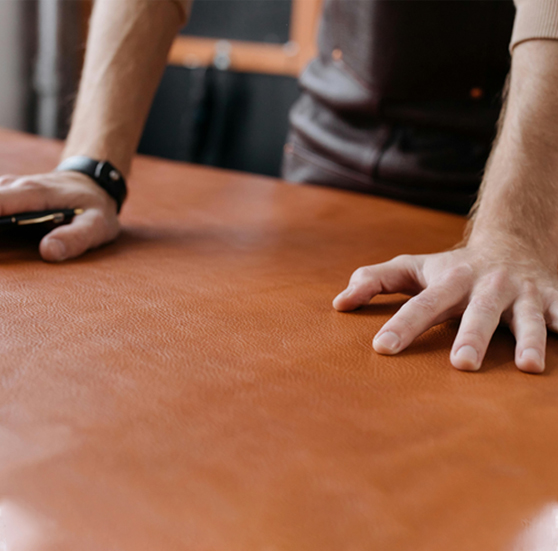
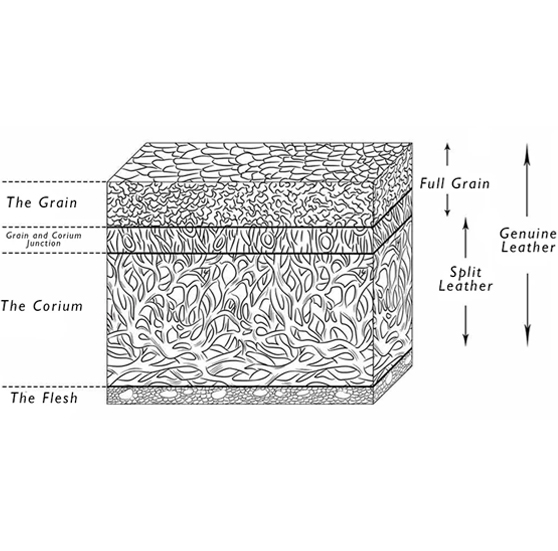
2. First Layer vs. Split Leather: the Difference
| Feature | First Layer Cowhide | Split Leather (Second Layer) |
| Source | The outermost layer of the hide, including the grain. | The loose fibrous inner layer (below the dermis). |
| Toughness | Extremely strong; tensile and tear-resistant. | Poor; prone to snapping or peeling. |
| Breathability | Excellent; natural pores allow the skin to “breathe.” | Poor; usually covered with heavy chemical coatings. |
| Lifespan | Extremely long (5–10+ years). | Short (may crack within 1–2 years). |
| Price | High/Expensive. | Affordable/Cheap. |
3. Craftsmanship and Touch: Tactile Excellence
This kind of belt gives people the first impression of being “realistic”:
Full-Bodied Feel: The touch is firm and elastic. It does not rely on chemical coatings to hide flaws; instead, it conveys a sense of stability and reliability through the purest leather texture.
Natural Breathability: “The retention of natural pores ensures excellent breathability. Even when closely fitting around the waist, the material remains dry and flexible.”
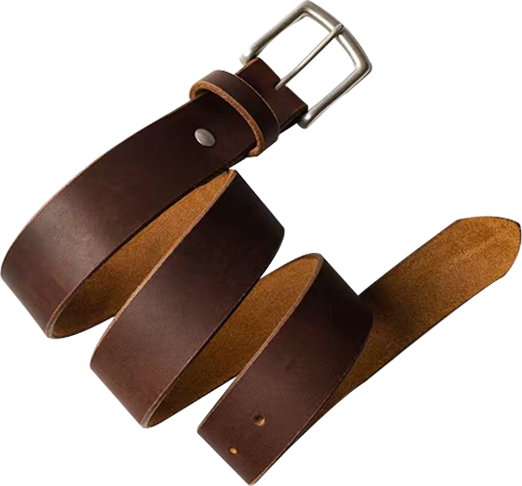
Core Issues to Note Regarding First-Layer Cowhide Leather
“Imperfections” are the true ID card of authentic leather. Since first-layer cowhide is the actual skin of an animal, it inevitably carries traces of its natural growth process.
-
Key Points: Genuine first-layer cowhide (especially Full-grain leather) will exhibit subtle mosquito bite marks, small scars, muscle/growth lines, or irregular pore distribution.
-
Common Misconception: Many consumers pursue a “flawless” leather surface. This often leads them to purchase Corrected-grain leather, which has been heavily sanded and spray-painted to cover defects. While this type of leather looks “perfect,” its breathability and durability are significantly compromised.
-
Daily Care for First-Layer Leather
Beware of water, sunlight, and chemicals. Never use alcohol or dish soap to wipe away stains. These substances will destroy the protective coating on the leather surface, causing permanent “white spots” or discoloration.
-
Seasonal Storage of First-Layer Leather
-
Mold Prevention: First-layer cowhide is rich in protein and fat, making it highly susceptible to mold in humid environments. When storing, insert stuffing inside to prevent deformation and place the item in a breathable cloth bag. Never seal it in a plastic bag.
-
Breathability: If the item will not be worn or used for a long period, it is recommended to take it out every few months for ventilation and reapply a layer of maintenance oil.
-